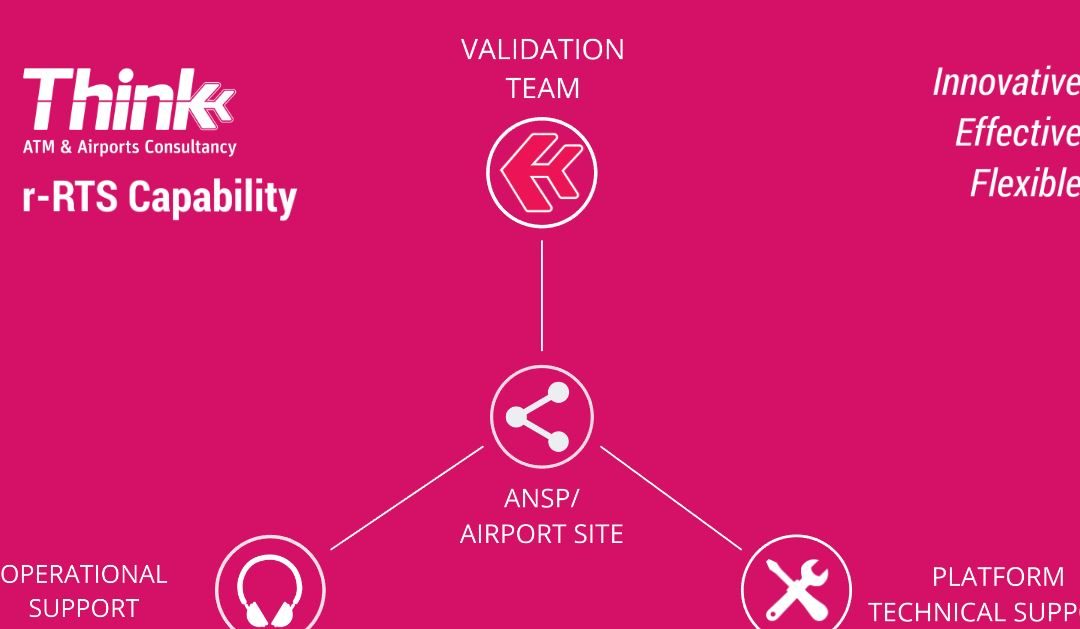
Over the last 16 years, Think have been providing ATM concept validation and simulation as one of our core services. We have worked with a range of ANSPs and regulators to lead a wide variety of validation activities; from large scale real time simulations (RTS) to...
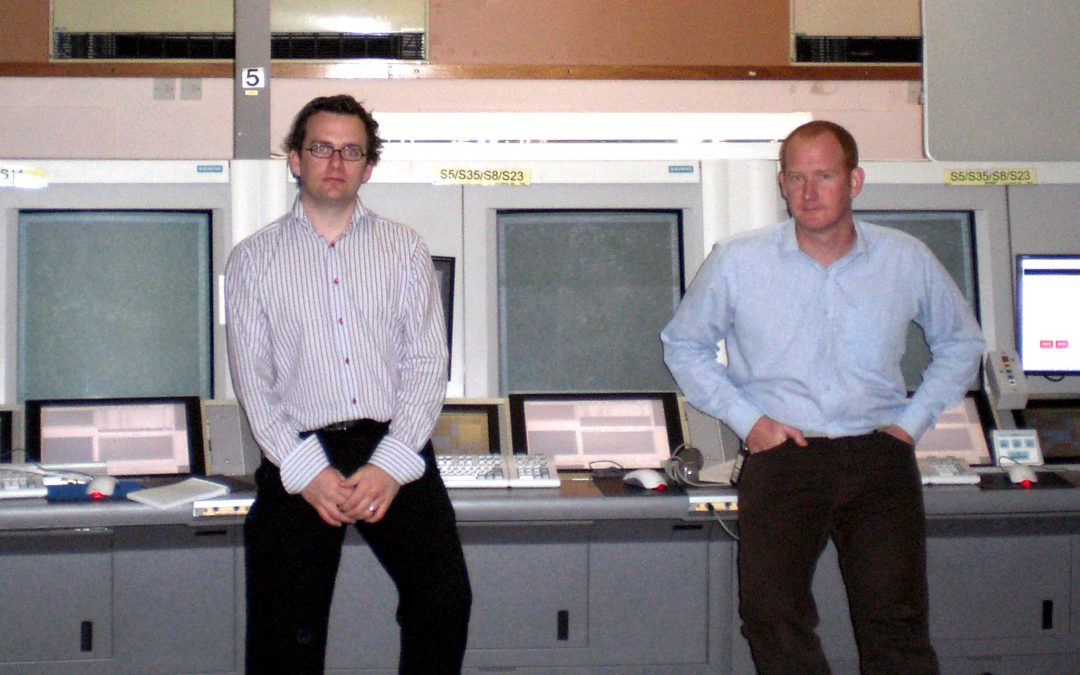
The company Rob and myself set up in 2004 turned 16 last week. 16 is one of those ages which is a big deal – definitely worth celebrating. But for lots of reasons we’re not celebrating. I did sing Happy Birthday. Twice. Into a sink. Three weeks ago I helped take...
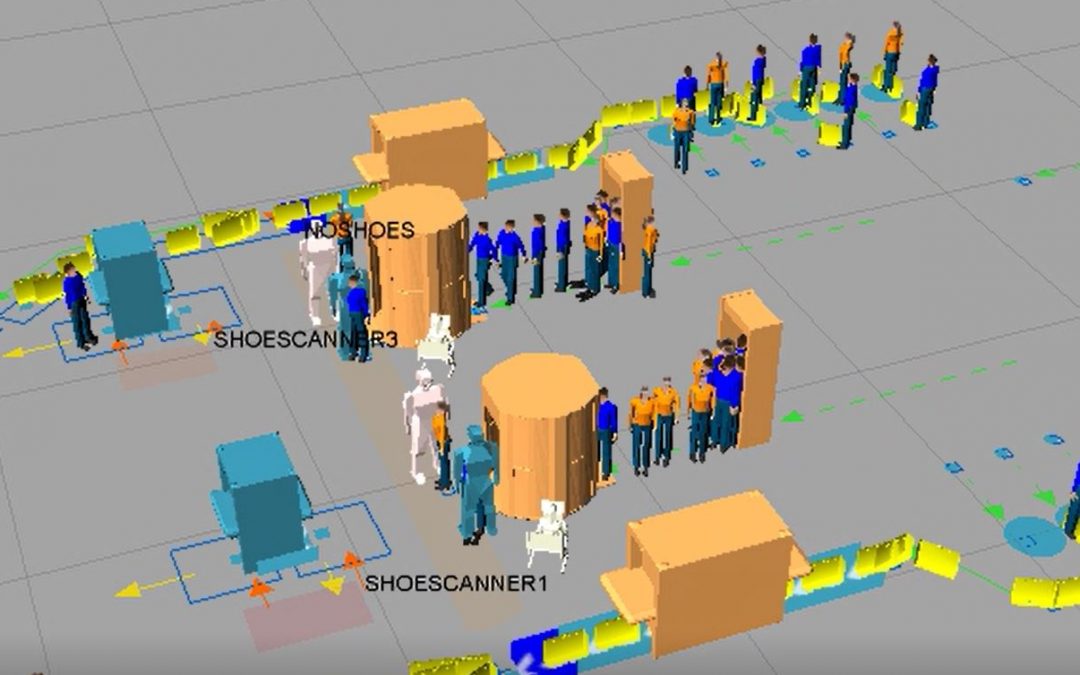
Our landslide modelling lead, Irene Bonal Bravo, takes a look at how fast time simulation of security processes can help airports optimise investment in new technology to improve passenger experience. Airport security lines can be frustrating and time-consuming; never...
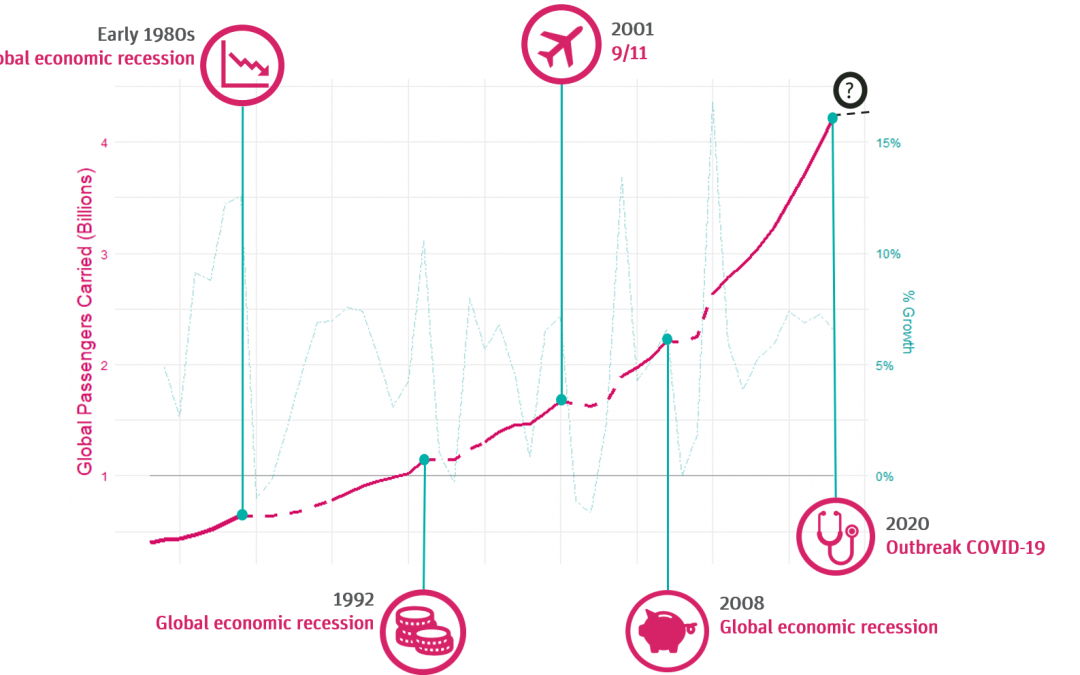
We had always intended the final part of this blog series to be an invite to discuss our views of the future of Air Traffic Management at the World ATM Congress in Madrid. The fast spread of coronavirus has, quite rightly, required the cancellation of WAC – so we will...
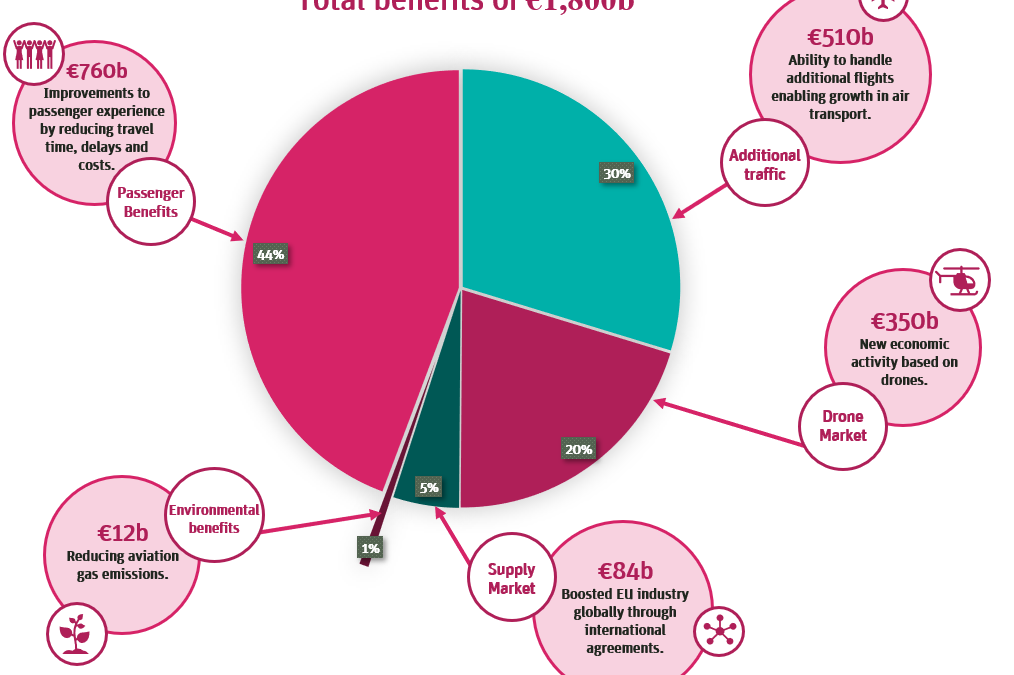
In the previous blogs in this series, we have explored from an operational, technical and organisational perspective what the potential Future ATM system might look like. In this part, Alexandra Vasile look at the overall benefits in Europe and how we might pay for...
Technological changes are prompting ATM roles to merge and shift in response to new pressures and changing priorities. The ability to share airspace based on future airspace architecture will require new skills and these should be considered throughout the entire user...


Recent Comments