
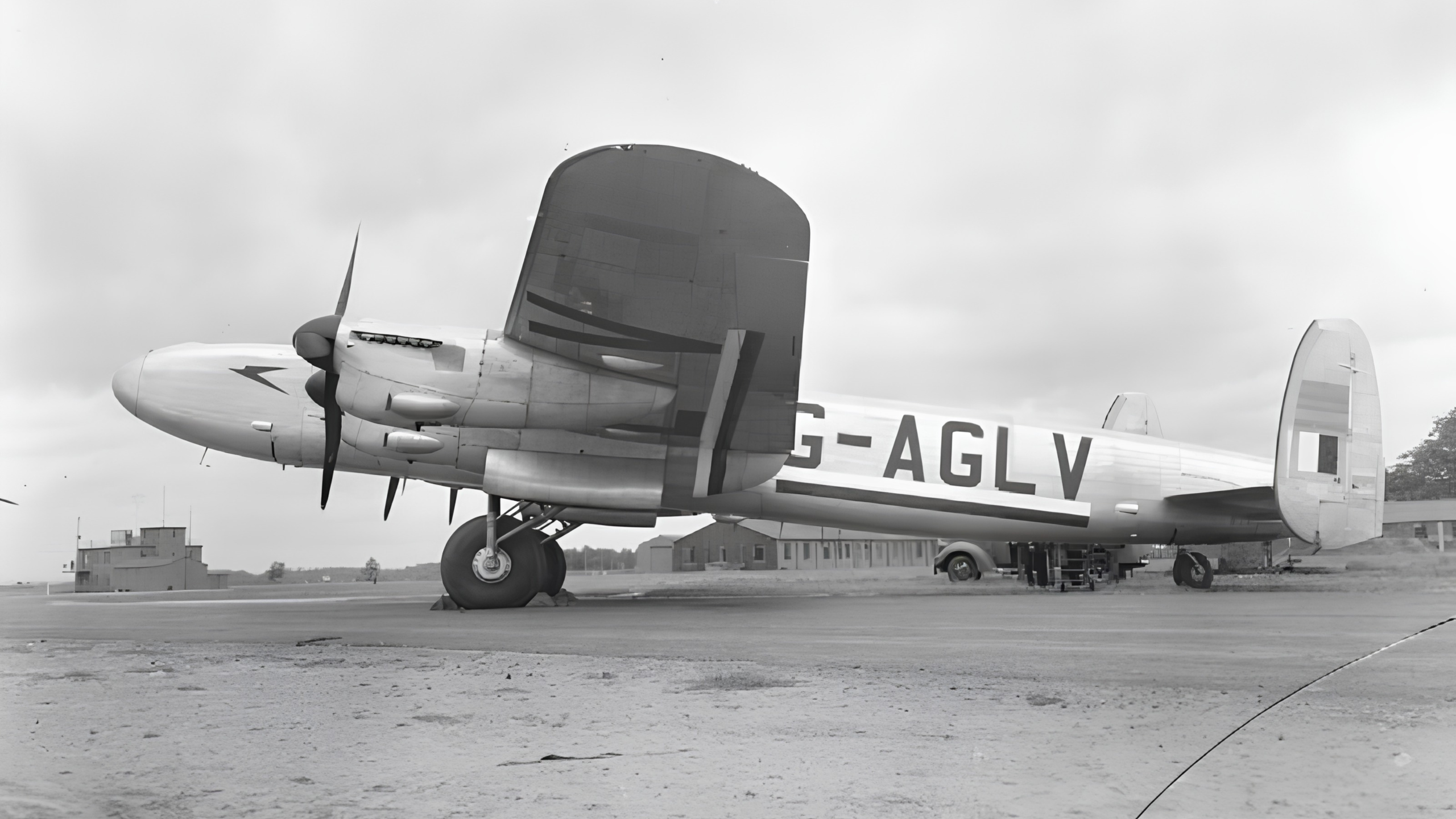
As part of Aviation History Month, Cameron Hutchinson, consultant at Think and a BA History graduate, has explored the rich aviation heritage of Bournemouth and the surrounding area, where our head office is based. This article looks at how the challenges faced by early aviation pioneers and the developments that followed in the postwar years connect to the work we do today.
Aviation has changed beyond recognition over the past century, but many of the services we offer continue to reflect the fundamental priorities of early aviation pioneers, particularly safety and the testing of new technologies and procedures. Other services, including airport master planning, procurement, airspace change and environmental improvement, have evolved in response to the industry’s growing complexity and challenges, from rising traffic and congested airspace to environmental pressures and conflict.
Aviation pioneers arrive in Bournemouth
In 1910, to mark the centenary of Bournemouth’s founding, the town hosted what was billed as Britain’s first international aviation meeting as part of a series of celebratory fêtes. Less than seven years had passed since Wilbur and Orville Wright made the first sustained, controlled powered aeroplane flight in North Carolina. Aviation had captured public attention around the world, making the event a fitting way to mark the town’s anniversary.
However, the meeting was more than a celebration. It also provided an opportunity for pilots to test new aircraft, equipment and flying techniques. The multi-day competition attracted 19 pilots, who competed for £8,500 in prize money, around £1.3 million in today’s prices. Events included speed trials, altitude tests, over-water races and spot landings, allowing pilots to test new designs and demonstrate new flying techniques.
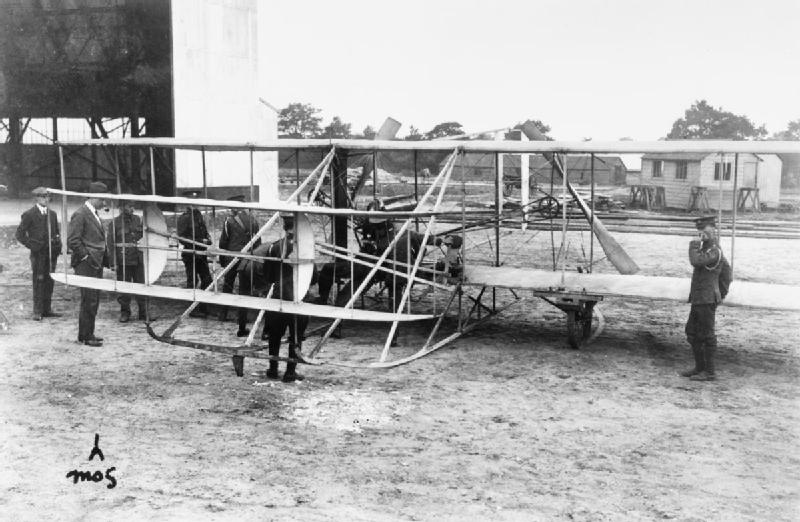
Royal Engineers official photographer, Public domain, via Wikimedia Commons

Despite the excitement and grandeur of the occasion, the event is perhaps best remembered for the death of Charles Rolls, co-founder of Rolls-Royce. During the spot-landing competition, the tail of his aircraft broke away as he pulled out of a steep dive and he fell to the ground. He was flying a French-built Wright biplane that had been fitted with a new adjustable tailplane a few days earlier. The meeting was the perfect opportunity to test this newest engineering development, but the new tailplane could not withstand the strain of the manoeuvre. Aged just 32, Rolls became the first Briton to die in a powered aircraft accident.
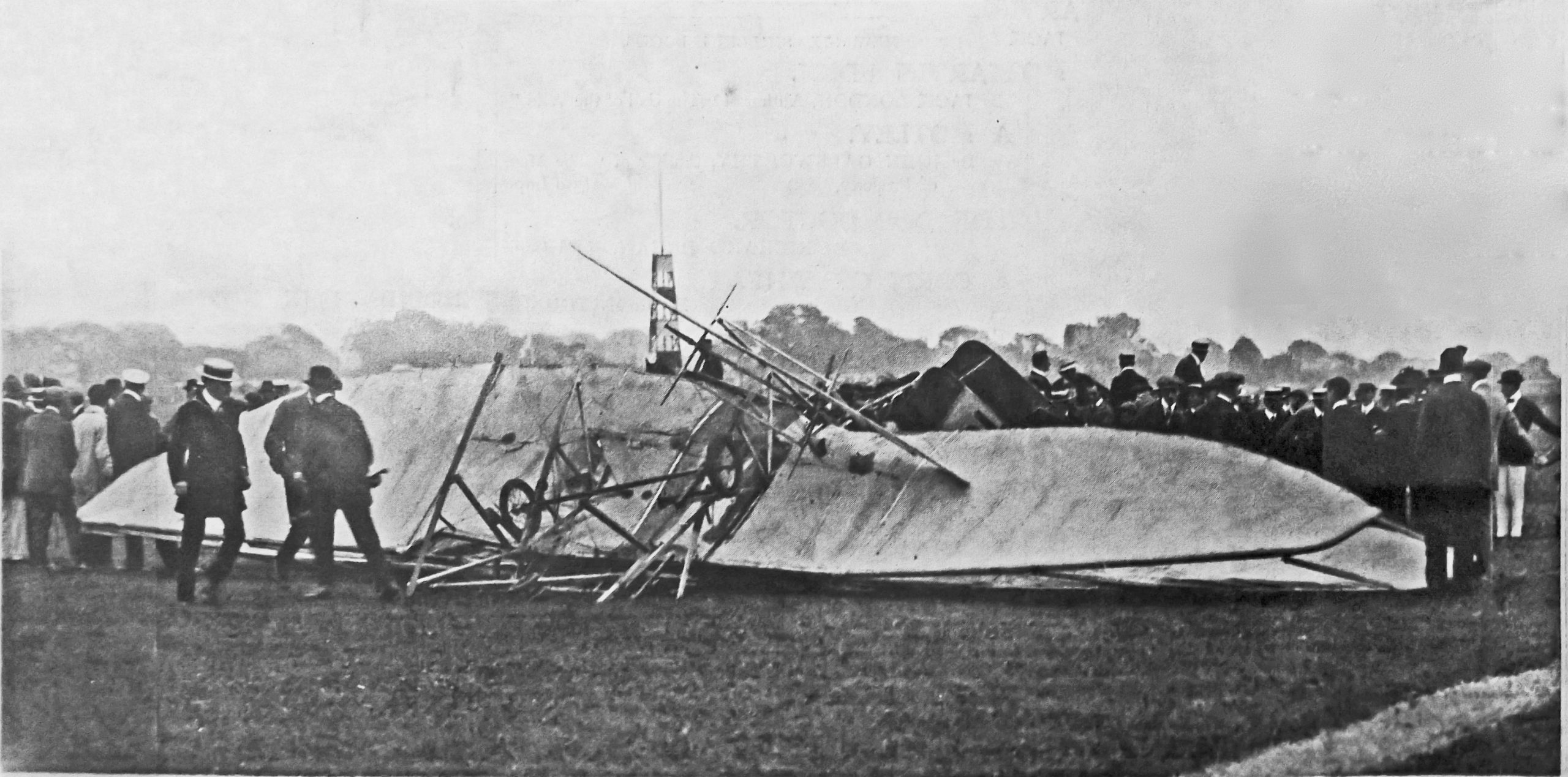
The Illustrated London News, Public domain, via Wikimedia Commons

Aircraft design and safety standards have come a long way since 1910 and, by today’s standards, an event like this would certainly not meet modern safety expectations. However, at the time, it provided an important opportunity for pilots to test new technologies, experiment with aircraft designs and push the boundaries of what was possible.
The 1910 Bournemouth meeting remains relevant to us today because validating new concepts and technologies is a key service at Think. We continue to work on innovations that improve all aspects of air traffic management, ensuring concepts are thoroughly tested before becoming operational.
The beginning of commercial aviation
The First World War accelerated the development of aviation dramatically, and advances in aircraft design, engineering and radio technology made commercial air transport viable.
On 1 May 1919, the first day civil flying was permitted following the war, an Airco DH.9 belonging to Aircraft Transport & Travel Ltd. was scheduled to fly from London to Bournemouth carrying a cargo of newspapers. The aircraft had been allotted G-EAAA, the first British civil registration, although it flew in military markings as C6054.
The intention was to take off at midnight to mark the occasion, but poor weather delayed the departure. Keen to make the first postwar civil flight, Captain Howard J. Saint eventually took off at 04:30 despite the conditions. Flying through thick mist and with only basic navigation aids available, the aircraft flew into Portsdown Hill, north of Portsmouth, and crashed, never reaching its intended destination in Bournemouth.
Poor weather was a key safety risk for G-EAAA and Captain Saint. Without the precision navigation systems available today, the thick mist significantly increased the risk of an accident. Aviation is now highly regulated, but as the industry continues to modernise, new safety practices and assurance systems must evolve alongside it.
Today, safety involves much more than assessing the likelihood of an individual failure. As systems and operations have become increasingly complex, it requires a broader understanding of the sociotechnical environment, including human factors, organisational processes and safety culture. Think’s safety team has supported clients in developing this understanding through comprehensive risk assessments, helping identify and manage risks across their operations.
Bournemouth Airport’s evolution since the Second World War
Celebrating its 85th anniversary in 2026, Bournemouth Airport has evolved dramatically over time. It originated as Royal Air Force (RAF) Hurn, a base for the RAF and US Army Air Forces during the Second World War. Home to aircraft including Spitfires, Wellingtons and Typhoons, its location near the south coast made it an important strategic military airfield.
RAF Hurn played an important role supporting the D-Day invasion of France. It was also the last airfield in England for aircraft flying to Morocco for the North African and Italian campaigns, on a route that avoided French, Spanish and Portuguese airspace.
Hurn passed from the RAF to civil control in late 1944, when the British Overseas Airways Corporation (BOAC) made it its main base. From October 1945 until mid-1946, it was the UK’s largest civil long-haul airport and London’s transatlantic gateway while Heathrow was still under development.
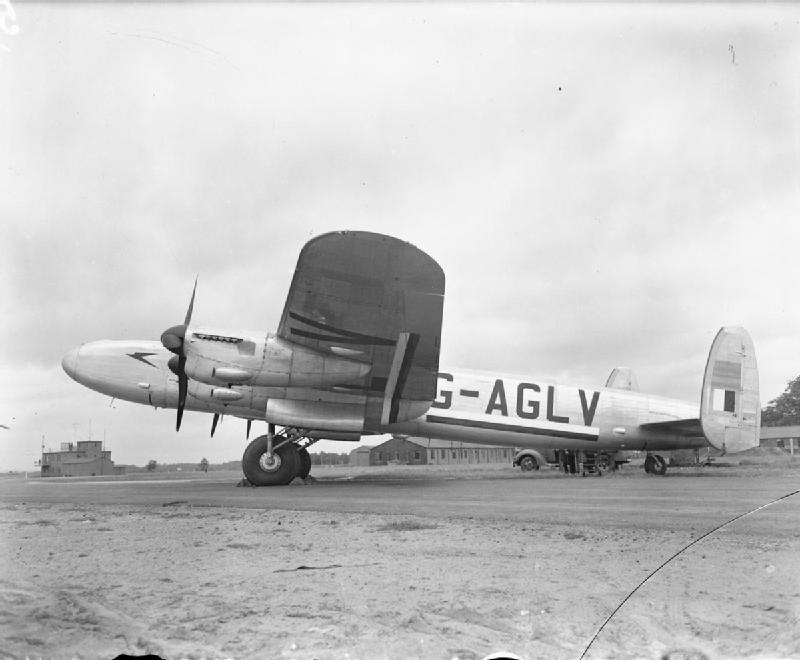
Royal Air Force official photographer, Public domain, via Wikimedia Commons

The first scheduled transatlantic passenger service by landplane arrived on 24 October 1945, when American Export Airlines, renamed American Overseas Airlines weeks later, began flying from New York to Bournemouth via Boston, Gander and Shannon.
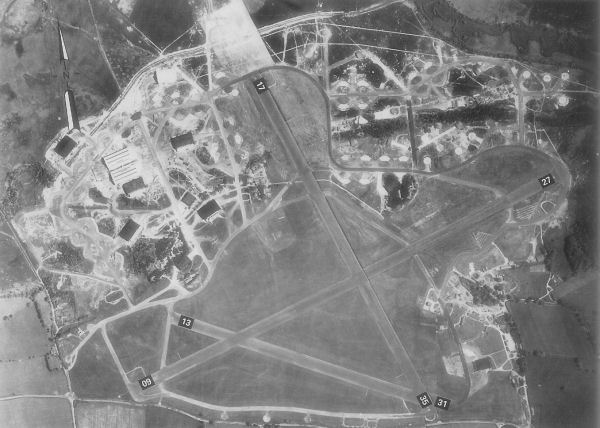
British Government, CC BY-SA 3.0, via Wikimedia Commons

From 1951, Hurn also became a centre for British aircraft manufacturing, with Vickers-Armstrongs, and later the British Aircraft Corporation, building the Varsity, Viscount and One-Eleven there. In 1969, the airport was bought by Bournemouth Corporation and Dorset County Council, which developed it as a commercial airport.
A £45 million redevelopment followed, with a new departures terminal opening in 2010 and a new arrivals hall in 2011. In 2017, the airport became part of Regional & City Airports, which was acquired by investment group ICG in 2025.
Today, Bournemouth Airport serves as an accessible local aviation hub for the south coast of England. It serves a range of European leisure destinations while also being an important centre for air cargo, private aviation, aircraft maintenance and pilot training.
Bournemouth Airport’s development since 1941 reflects the wider changes in aviation, particularly in infrastructure and technology. Airports have continually evolved to meet changing demands and this is set to continue, with the International Air Transport Association (IATA) forecasting that global passenger demand will more than double by 2050.
Around the world, some regional airports may seek to develop into international hubs, while others will focus on increasing capacity and making their existing operations more efficient. Think Research plays an important role in helping clients respond to new and emerging industry challenges by improving the performance of their air traffic control, airspace, airfield and terminal operations.
Through services including procurement support, airport master planning and analytics, we help clients make better use of capacity, improve operational efficiency and reduce environmental impact.
From the 1910 aviation meeting to the development of Bournemouth Airport into an important aviation hub, Bournemouth and the surrounding area have played a significant role in the evolution of flight both within the UK and internationally.
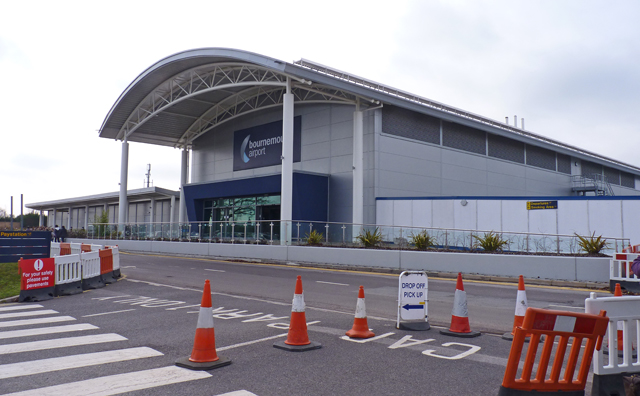
Mike Smith, CC BY-SA 2.0, via Wikimedia Commons

Today, Bournemouth continues to be home to a thriving aviation community and we are proud to be part of it. While the challenges facing the industry have changed and grown in complexity, the need for expertise, innovation and a strong focus on safety remains.
From our head office in Bournemouth, we continue to support clients in the UK and internationally and hope to contribute to aviation history for a long time to come.

Cameron Hutchinson | Consultant